How to Reduce Retail Workplace Injuries
Workplace safety in retail businesses, such as clothing stores (one of the types of retail businesses) in California. Whether it’s slips, trips and falls or heavy lifting and stock handling, employees face a range of risks every day. No one wants their company to look bad, flipping through tabloids, but all companies need to work hard at keeping staff injury free because if they don’t then not only do they need to deal with potential injury claims cost wise but it creates a ‘bad press’'(damage on business reputation). For your clothing store, investing in adequate safety features and insurance coverage can go a long way in saving you both money and operational efficiency.
Understanding Common Retail Workplace Injuries
The most common injuries in retail for employees include slips, falls, cuts from merchandise or equipment, repetitive strain injuries and back injuries caused by lifting heavy items. In the case of clothing stores, cluttered aisles, wet floors, and improperly placed inventory can put shoppers in more danger. By knowing the most likely types of injuries, store owners can tailor their safety precautions to protect both employees and customers.
Implementing Proper Training Programs
An excellent way to cut down employee injuries at the workplace is by training them. Staff must know how to lift correctly and how to move stock behind the scenes, as well as proper procedures for cleaning and tidying store areas. Carrying out regular training can also contribute to ensuring that the personnel knows their responsibilities for safety.
Maintaining a Safe Store Environment
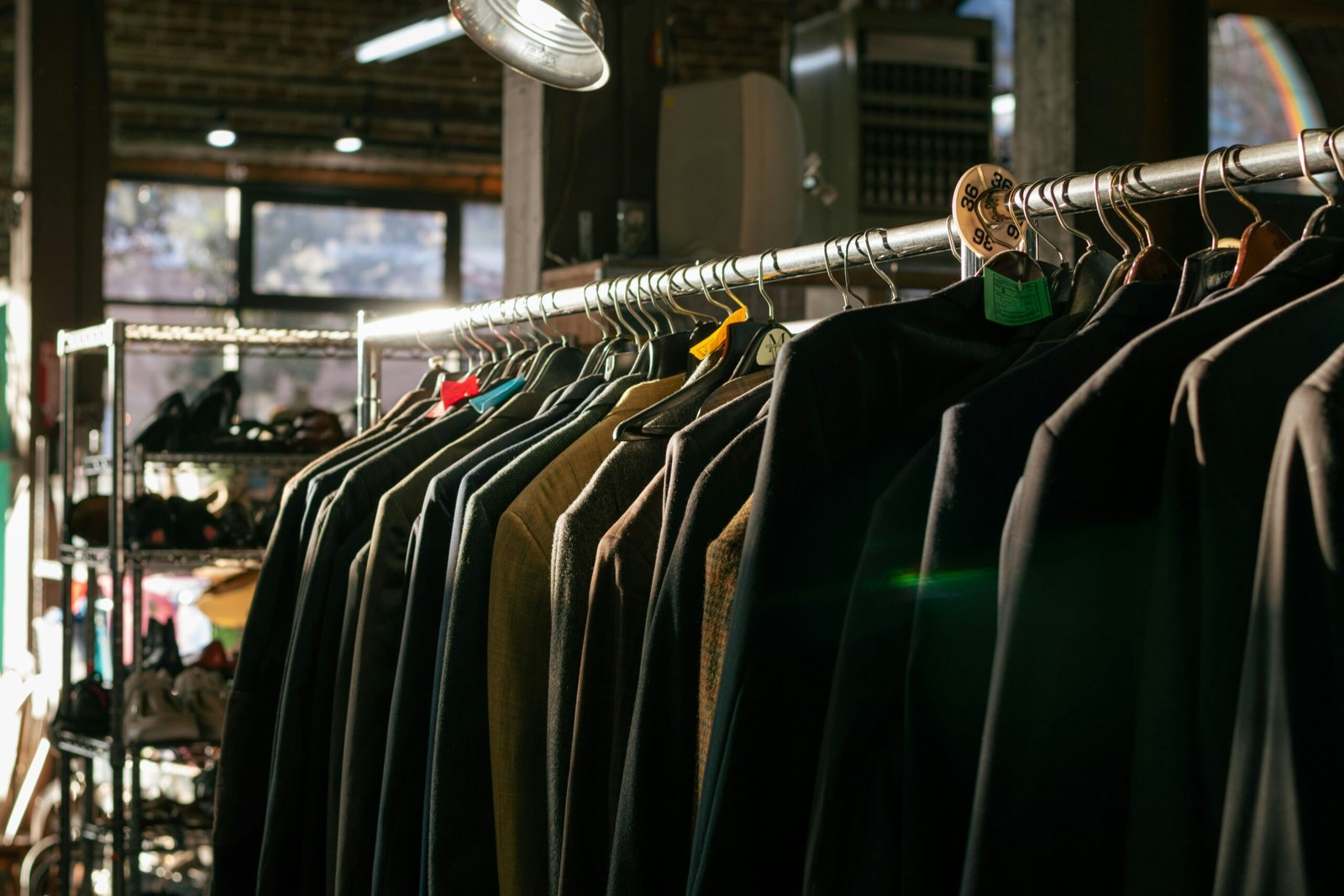
A tidy shop means less opportunity for accidents. Keep aisles clear of clutter, spilled product cleaned and any damaged flooring or shelving fixed as soon as possible. In clothing stores, ensuring that racks are spaced properly, so none are flaring out or overloaded to the point of creating a tripping hazard, can help keep your establishment safe overall.
Using Proper Equipment and Ergonomics
Finally, giving employees the proper tools or equipment (step stool, trolleys, anti-fatigue mats) can help to reduce injuries. Also, ergonomics helps avoid repetitive strain injuries for associates who spend their shifts folding, stocking or cashiering. Providing sit-stand workstations and training employees to improve their posture could greatly reduce the incidence of strain-related complaints.
Encouraging a Safety-First Culture
Encouraging a safety-first attitude among workers fosters everyone to be on alert for potential risks. Throughout the year, encourage your employees to report unsafe conditions and then reward those who are proactive in making your workplace a safer place to be. When employees feel accountable for their safety and the safety of their colleagues, accidents are less likely to occur.
Workers’ Compensation and Retail Insurance
Scroll through the following slides to discover how ignoring safety precautions can lead to deadly consequences, even when there are measures in place. Which ensures your employees are compensated for medical bills and lost wages as a result of workplace injuries. California law mandates that most employers obtain this coverage, which adds to its importance in shielding you and your business from damages.
Clothing store Retail Insurance: covering general liability, property damage, and claims related to employees—providing broader protection. Having precautionary safety measures in place, merged with suitable insurance policies to reduce businesses’ finances risks while also ensuring they remain sustainable long term. Here to learn more about insurance for retail businesses.
Regular Safety Audits
By conducting regular safety audits, you can uncover potential hazards before they lead to injuries. Regularly walk through the store, inspect equipment, check flooring and review employee practices. These examples illustrate the importance of doing so in order to mitigate over time the risk of workplace incidents and potentially leading you to a place where mitigating your insurance premiums might be a possibility.
Conclusion
A combination of all these elements will make retail stores safer work situations and help reduce injuries. By using these recommendations, clothing stores in California can ensure their employees and business are both covered with comprehensive insurance. Ensuring safety not only protects your team, but also bolsters the reputation and operational efficiency of your business. For professional advice on insurance options and safety strategies, visit our website